Common panel sizes stocked
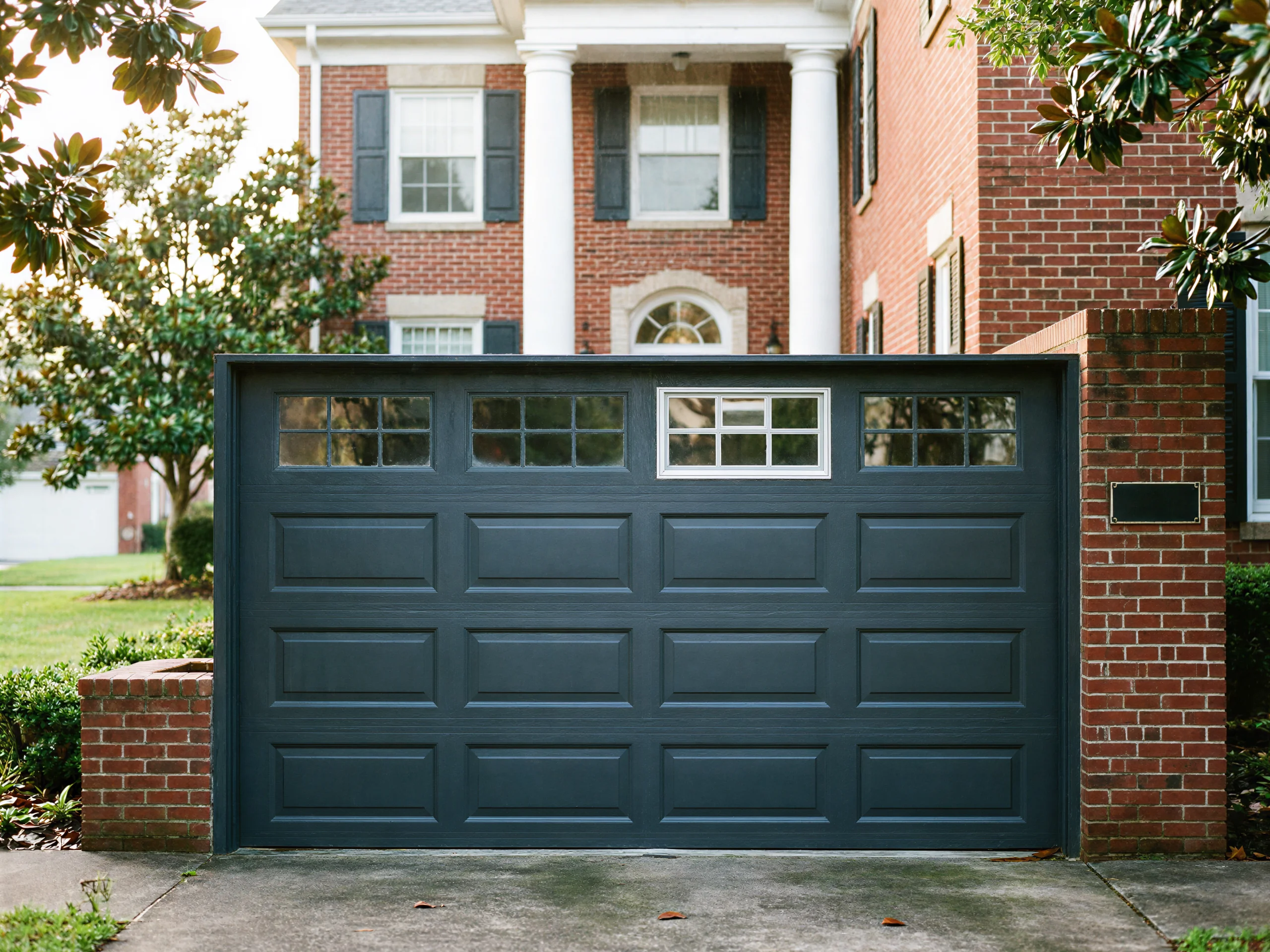
We carry common steel panel sizes and a stock of matching hardware - hinges, end stiles, strut channel - sized for the double and single-track doors that dominate builds from that era.
Peachtree Corners, Johns Creek
Panel replacement for Peachtree Corners homes, most built around 1988, served by the Johns Creek crew on the 5-mile run down the corridor. Matching panels on 1980s steel doors, no invented quotes.
Booking
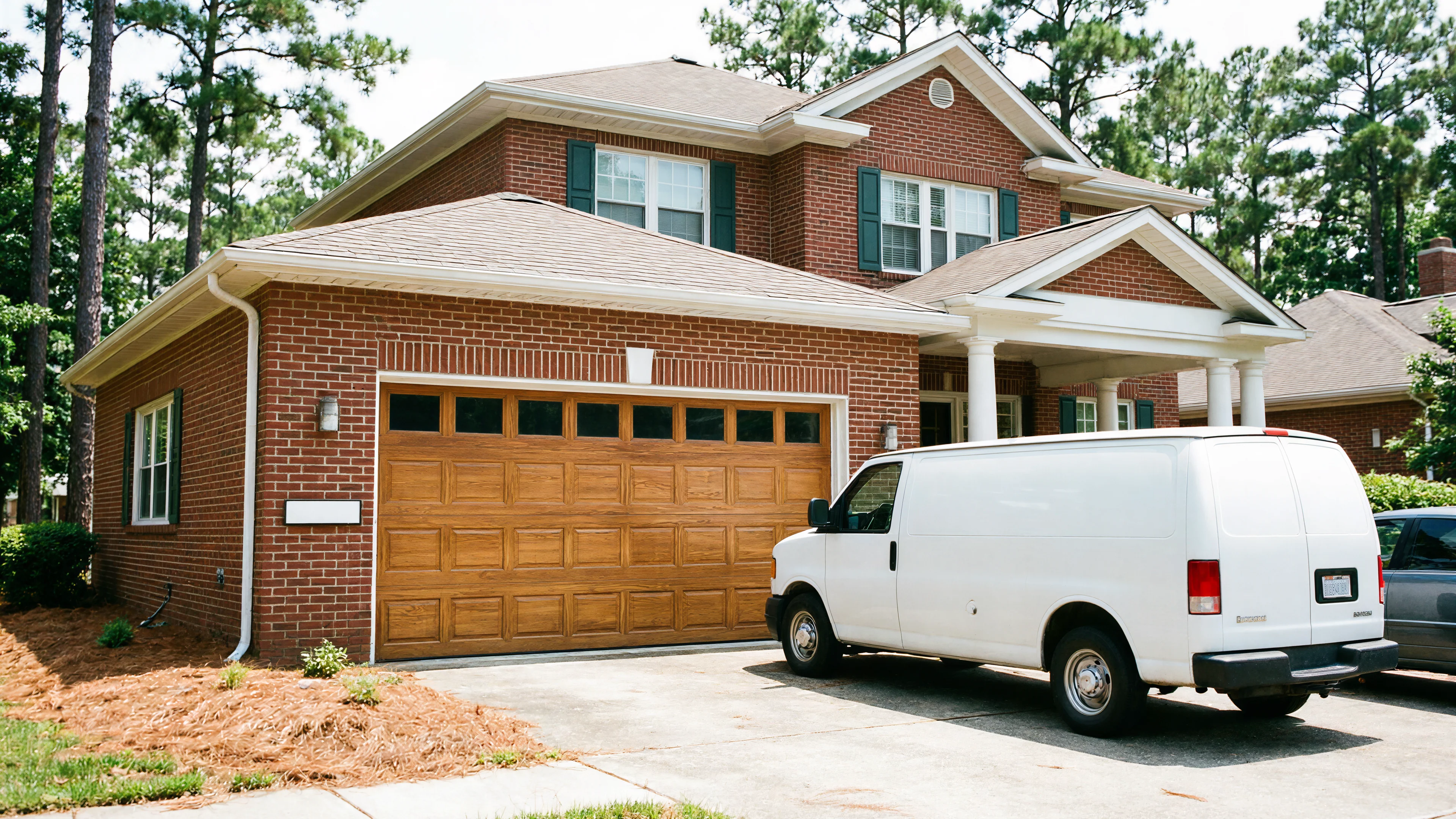
Peachtree Corners sits about 5 miles from our shop in Johns Creek, which is a short enough run that we can usually get a tech out the same week without quoting you a drive-time premium.
That distance matters for one reason: it means we're not guessing at what's behind your door before we show up. Most of the housing stock here went up around 1988, which tells us a lot before we even pull into the driveway - steel sectional doors, likely original rollers, and hardware sized to specs that changed more than once since then.
When you call, tell us the brand stamped on the bottom panel if you can find it, and roughly how many sections the door has. That one detail saves a second trip more often than anything else we ask.
We don't keep a branch in Peachtree Corners itself, so every job here is scheduled around the Johns Creek truck's route for that day - usually not a problem on a 5-mile hop, but it does mean we ask you to pick a window rather than an exact hour.
On the truck
For a town built mostly in the late 1980s, the panel question is almost always the same: does a replacement section still exist for a door that old, or does the whole door need to come out.
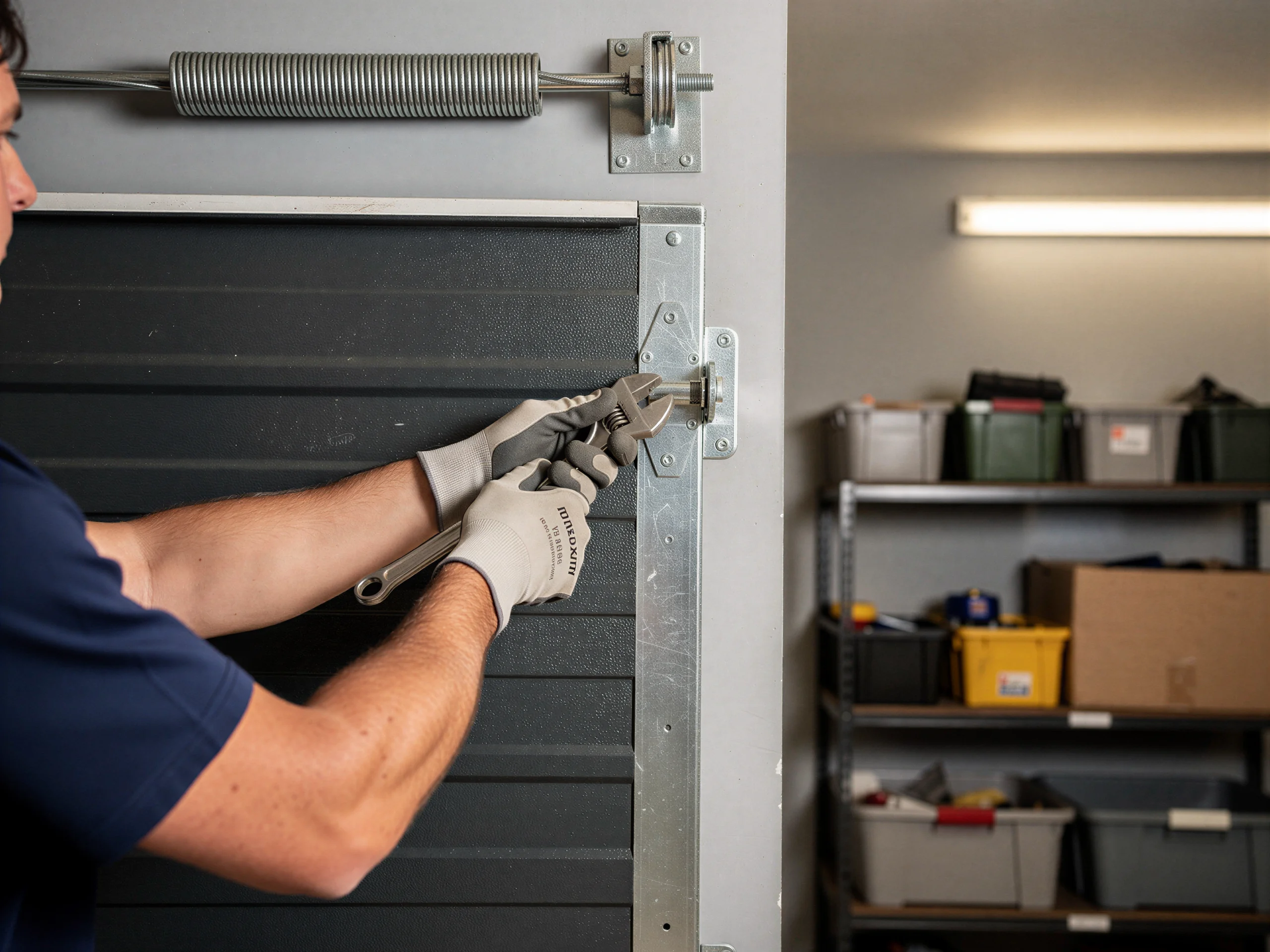
We carry common steel panel sizes and a stock of matching hardware - hinges, end stiles, strut channel - sized for the double and single-track doors that dominate builds from that era.
What we don't carry is a shelf of discontinued panel profiles for every manufacturer that's come and gone since 1988; if your door is an odd design from a builder that stopped making that line years ago, we tell you that on-site rather than stringing out a search.
Given this area sits in a cold-moderate climate band, we also stock foam-core insulated panels as a standard option when a full section needs replacing, not just the thin skin style - it's a small cost difference that matters more here than in a warmer part of the state. If a match genuinely doesn't exist, we say so and talk replacement instead of pretending a mismatched panel is a fix.
DIY or pro
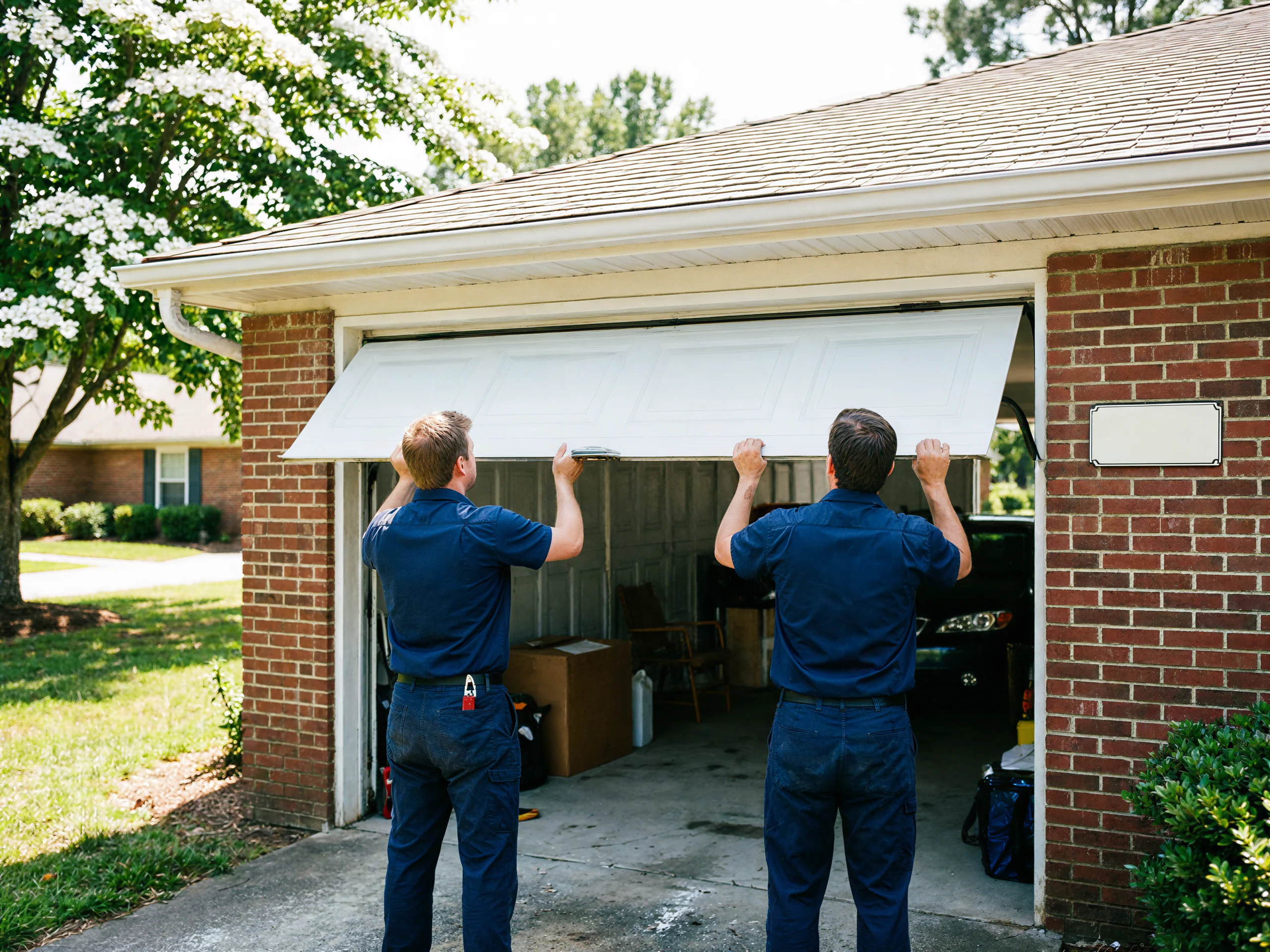
A cracked or dented panel on a door from the late 1980s looks like a simple swap-the-section job, and sometimes it is. The complication is the hardware around it - end stiles, hinges, and the track alignment on doors this age were often built to tolerances that newer universal parts don't quite match.
Pull one bad panel and shift the alignment half an inch, and the door starts binding on the rest of the sections, which turns one bad panel into a door that won't travel smoothly at all.
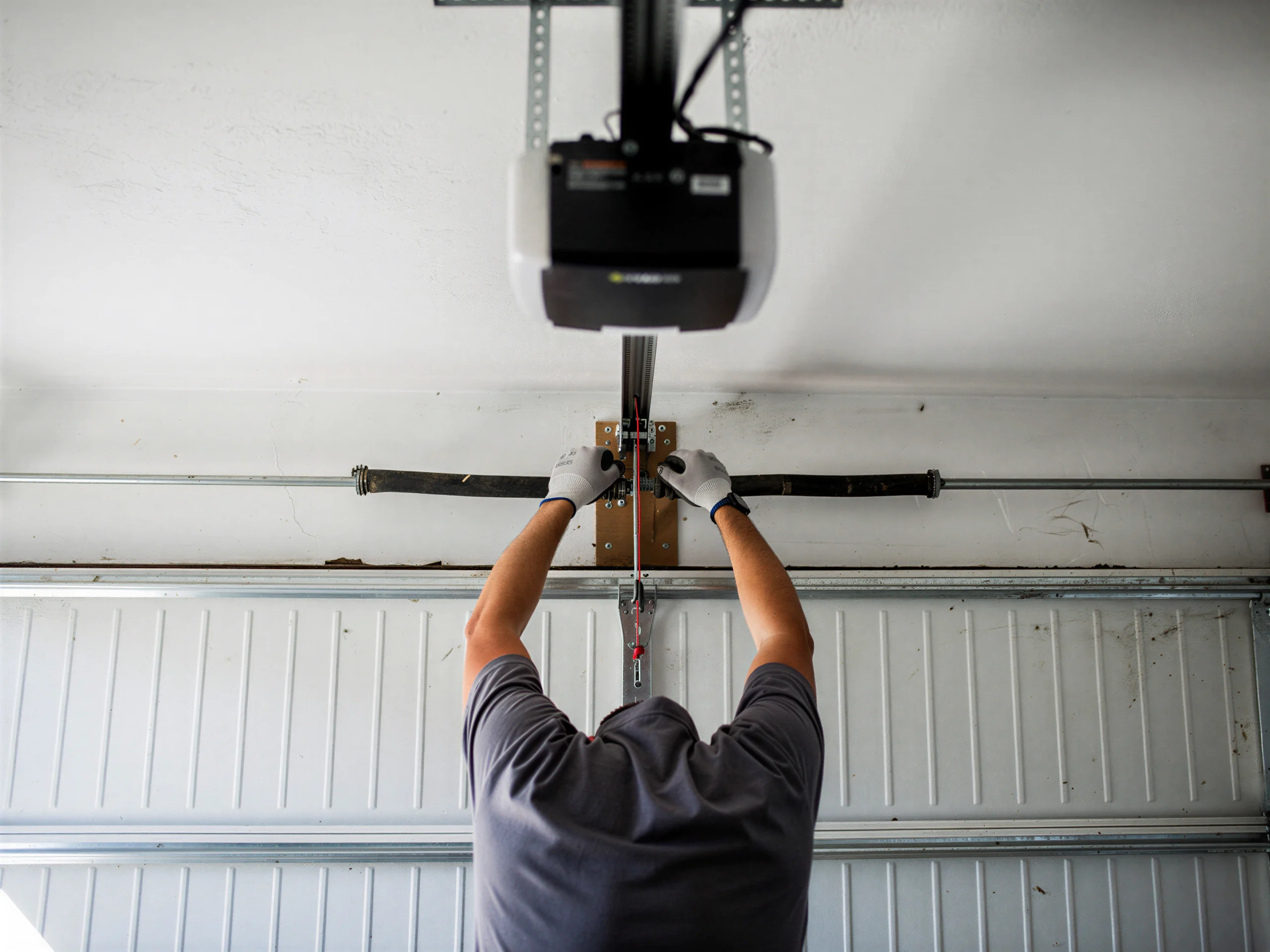
We're not going to tell you it can't be done in a driveway with the right tools - it can. But the torsion spring stays loaded the whole time you're working near it, and that's the part that sends people to urgent care, not the panel itself.
If you've got a single ding on a non-structural section and a tape measure, it's worth a try. If the bottom panel with the spring anchor bracket is the one that's bent, that's where we'd rather you called first.
Watch-outs
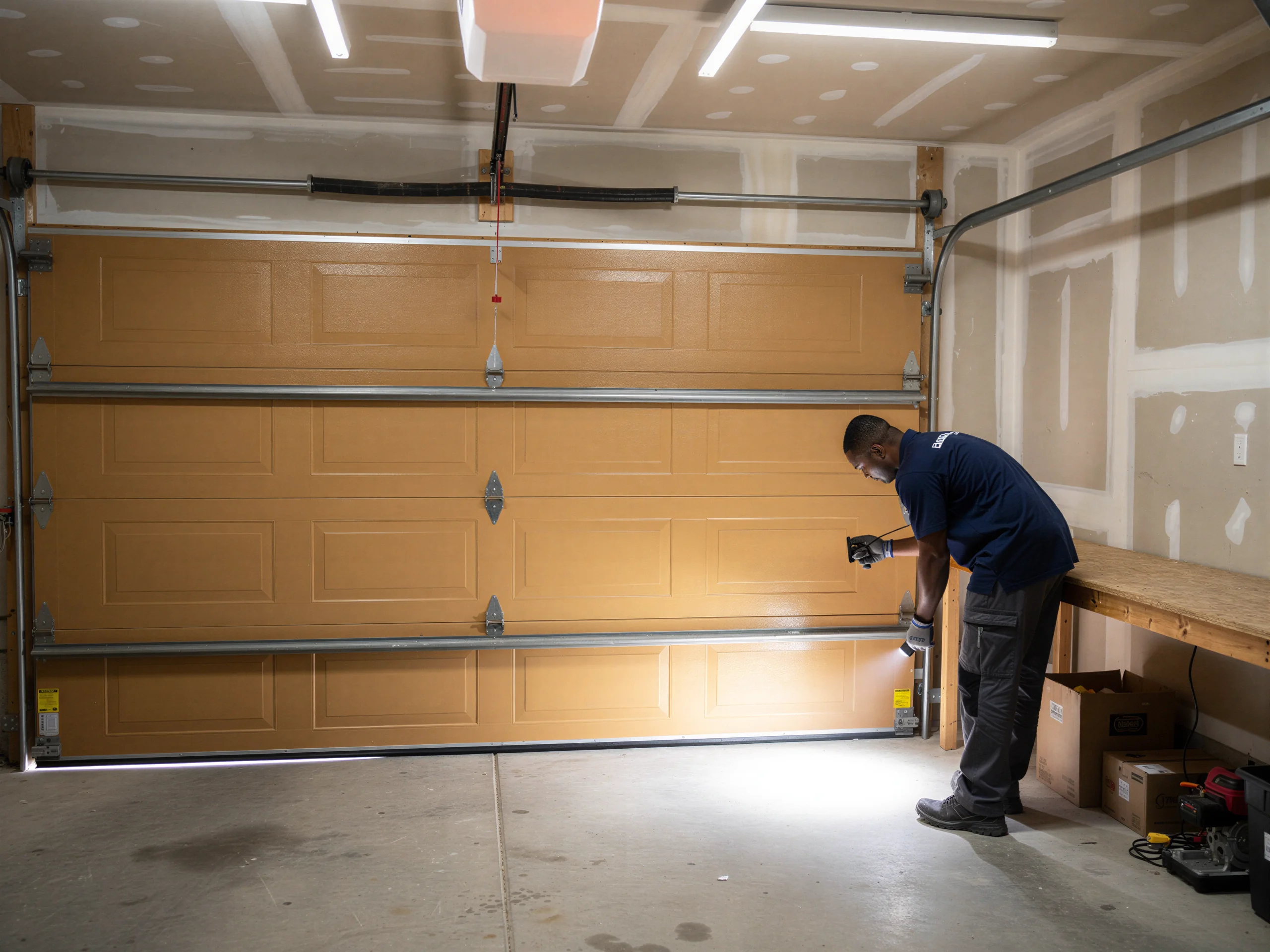
On doors from the 1988 era, the panel itself usually isn't the whole story. Pull a damaged section and you often find the track bent along with it, especially if the original damage came from an impact rather than age - a bent track doesn't show from the street but it'll bind a brand-new panel just as badly as the old one. We also see hinges that have worn thin after three-plus decades of cycling, which means a fresh panel bolted to tired hinges will rack and crack again within a year. Weatherstripping at the panel seams tends to be original too, and in a cold-moderate climate that gap is where the heat loss and the water intrusion both start. None of this means every panel job turns into a bigger job - plenty don't. But we check hinges, track alignment, and seal condition before we call a repair finished, because handing back a door with a new panel on worn-out hardware isn't a repair, it's a short delay on the same call.
Questions
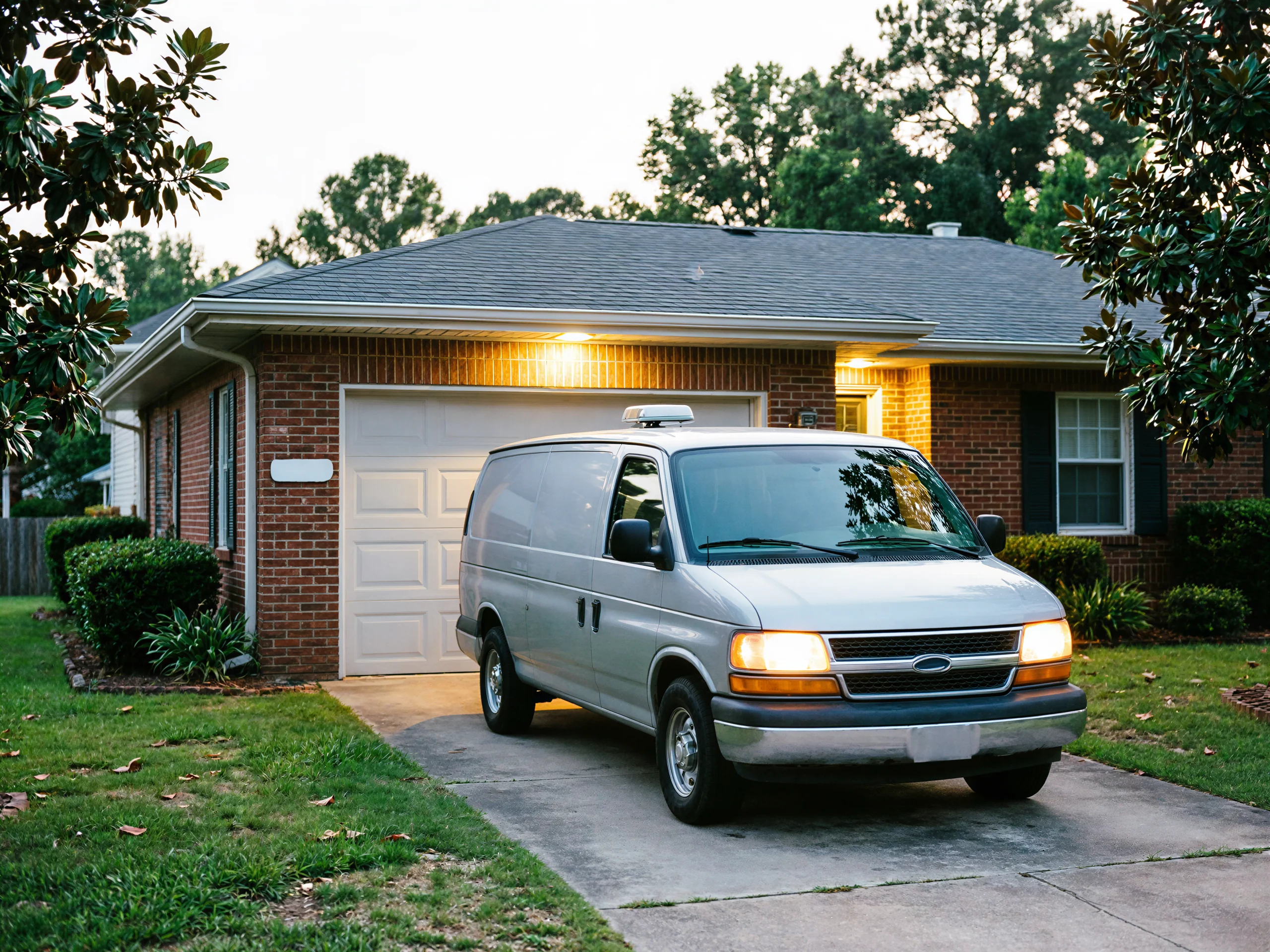
About 5 miles from our Johns Creek base, which is close enough that scheduling is usually straightforward. We don't keep a separate branch in Peachtree Corners, so your appointment is built around that day's route rather than a fixed local dispatch.
Often yes for common steel panel sizes, which is most of what we see on homes from that era here. Some builder-specific or discontinued profiles won't have a direct match, and we'll tell you that on-site rather than searching indefinitely for a part that doesn't exist anymore.
Depends on what we find once the damaged section is off. If the track, hinges, and remaining panels are sound, a single replacement section makes sense. If the hardware is worn from three decades of use, patching one panel onto tired parts just delays the next call.
Yes, foam-core insulated panels are a standard stock option, not a special order. Given the cold-moderate winters this area gets, it's usually worth the small price difference over a thin steel skin panel, especially on an attached garage.
Explore more
Ready when you are
Johns Creek Garage Door Pros repairs and installs garage doors, springs and openers in Johns Creek, GA and the surrounding area.