Blog
What a Johns Creek Service Call Actually Covers
Johns Creek homes mostly date 1951-2012 with a median build year of 1984. Here's what our service call actually checks on torsion hardware, tracks, and openers from that era.
What Most People Get Wrong
Most Johns Creek homeowners call us because the door stopped working, and they assume the fix is whatever part finally gave out. The springs snapped, so the call is about springs. But a torsion spring doesn't just wear down from age in a vacuum - it wears down based on cycle count, door weight, and how the rest of the hardware is balanced. Houses in this area went up between 1951 and 2012, with the bulk of that stock dated to the 1980s and 90s. That means a lot of doors on original or first-replacement torsion systems that were sized for lighter panel materials than what's common now. When someone swaps in a heavier insulated door but keeps the original spring rating, the opener starts doing work the spring should be doing, and the opener motor burns out faster than it should. A service call that only looks at the broken part misses that chain. We check the whole system - spring, cable, drum, track alignment, opener gear - because on a house built in that window, the part that failed is rarely the part that's actually wrong.
What the Weather Here Does to It
Johns Creek sits in a cold-moderate climate band, not the deep-freeze conditions that crack steel or the desert heat that dries out seals, but a swing range that still works metal fatigue over the years. Temperature changes between winter mornings and summer afternoons cause the steel torsion spring to expand and contract repeatedly, and that cycling is part of what shortens spring life on top of normal door-open cycles. It also affects track alignment - wood jambs and door frames shift slightly with seasonal humidity changes, which is one reason a door that rolled smoothly in spring can start binding or rubbing a weatherstrip by late summer. None of this is dramatic weather damage. It's slow, and it's the reason a yearly look at balance and alignment matters more here than a one-time fix-it-and-forget approach.
What to Check
On a standard service call for a home in this area, we go through the same points regardless of what brought us out, because the 1984 median build year means a lot of doors are at an age where more than one thing is usually close to failing. We check spring tension and cycle wear, since original torsion springs on houses from the 80s and 90s stock are well past typical service life if they haven't already been replaced. We check cable fraying at the drum, track alignment front to back, roller condition, and the opener's force and limit settings, which drift over time and cause doors to reverse unexpectedly or slam down too hard. We also check the bottom seal and weatherstripping, since that's the first thing to degrade with seasonal temperature swings in a cold-moderate climate. We don't replace parts that test fine just to pad a bill - if the spring has life left, we tell you that and move on.
What Is Going On
With roughly 44,786 owner-occupied houses in the broader service area and a median household income of $91,308, most of the calls we get aren't about affording a fix - they're about homeowners not knowing what actually needs fixing versus what can wait. A door that's hard to lift by hand usually means a spring that's lost tension, not an opener problem, even though the opener is what people notice straining. A door that reverses on its own partway down is almost always an opener sensor or force-setting issue, not a track problem, even though the symptom looks like something's physically blocking it. Here's the honest limit: if a torsion spring is original to a house built in the 1950s through 1970s, we're not going to tell you it just needs adjusting - at that age, replacement is the right call, and we'll say so instead of stretching out a repair that won't hold.
Questions
Common questions
How often should a garage door in Johns Creek get serviced?
We recommend an annual check, mainly because the cold-moderate climate here puts steady wear on torsion springs and track alignment through seasonal temperature swings. If your house was built in the 1980s or 90s, which covers a lot of this area, that yearly check also catches original hardware before it fails outright.
Why did my opener force settings change on their own?
They don't change on their own - they drift. Opener force and limit settings shift gradually from vibration, temperature changes, and normal cycling. It's common enough on houses in this area's 1980s-2012 build range that we check it on every service call, not just when someone reports a problem.
Is it worth repairing a door on an older house instead of replacing it?
Depends on the age of the spring and track, not just the door panel. On houses built before the 1980s, original torsion hardware is usually past its service life, and we'll tell you straight if repair isn't worth it. On 1980s-2000s houses, repair is often the right call since the structural hardware has more life left.
Recommendation
You Might Also Like
More garage door guides for Johns Creek homeowners.
When the Power Cuts Out on a Johns Creek Garage Door
Johns Creek homes built mostly in the 1980s-90s have openers that react badly to cold snaps and outages.
Read guide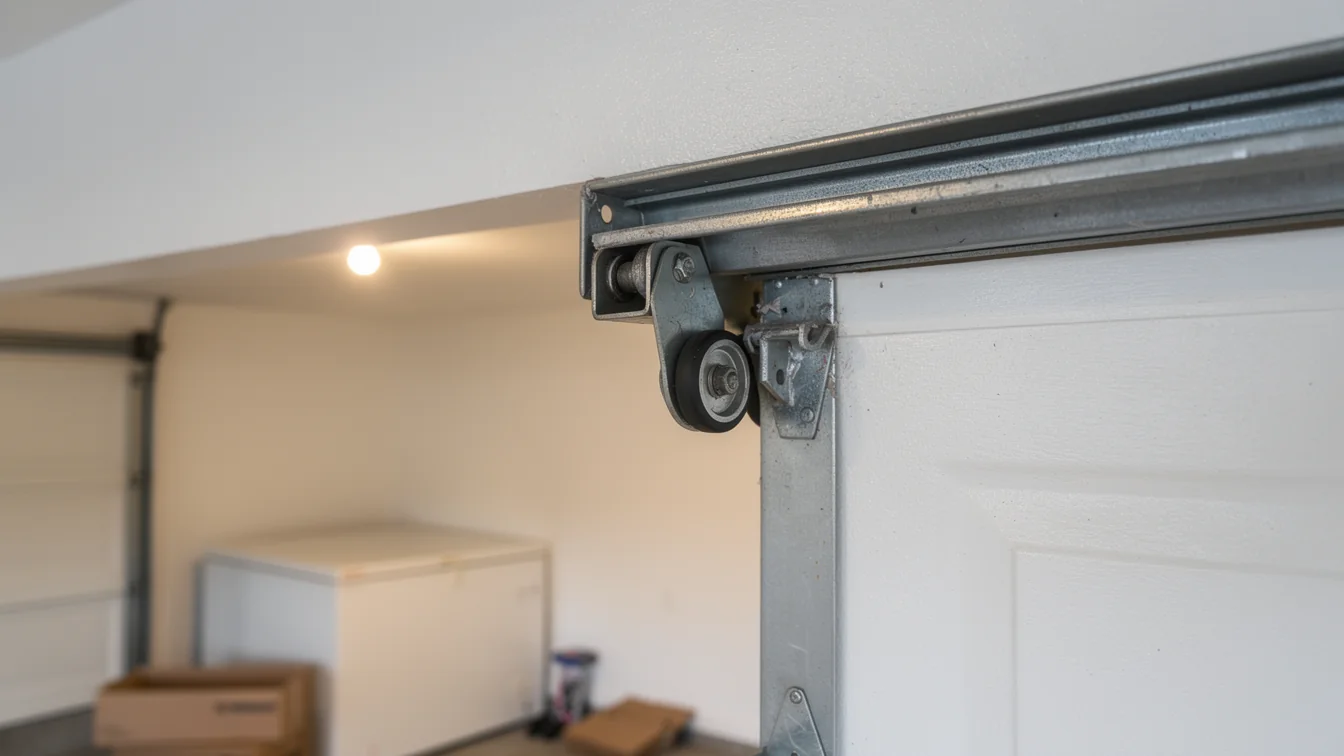
Why So Many Johns Creek Garages Still Have Uninsulated Doors
In Johns Creek, median home year is 1984 - before insulated garage doors were standard.
Read guide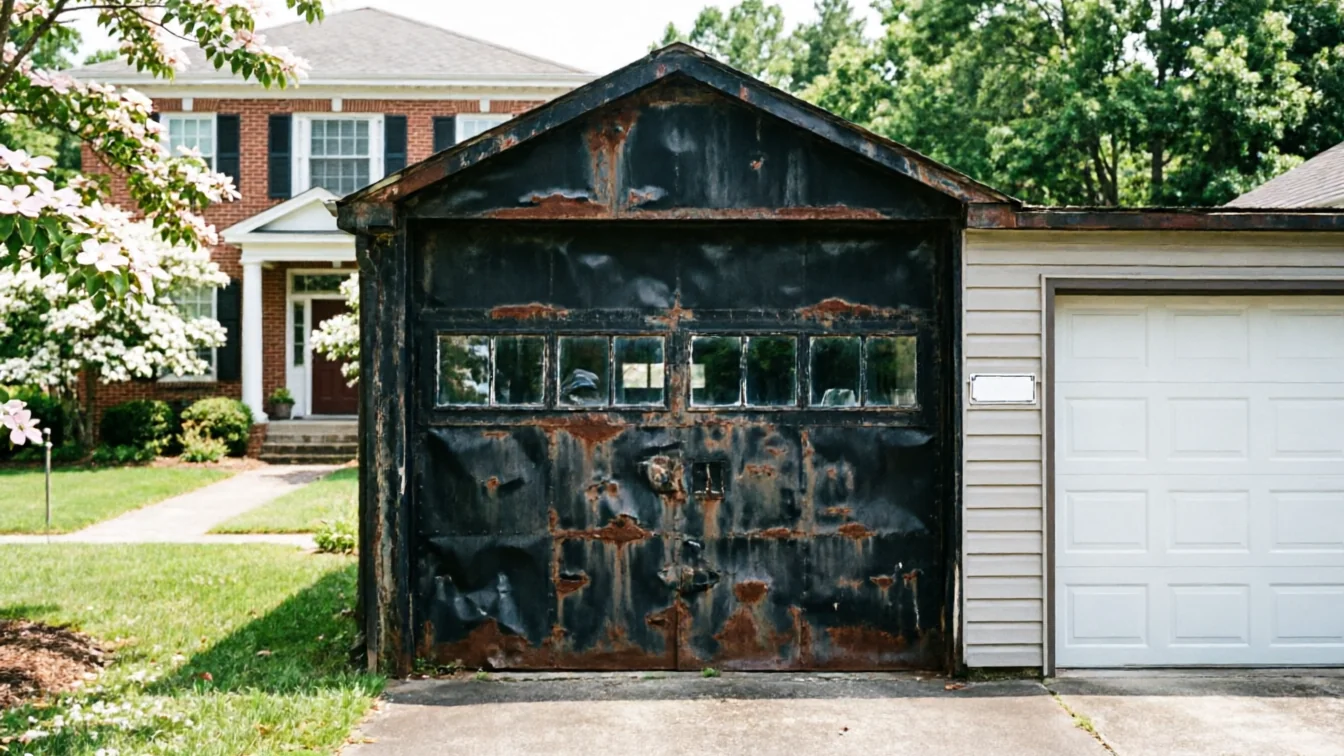
What Weather Seals and Draughts Really Mean in Johns Creek
Johns Creek homes built mostly in the 1980s and 90s see worn weather seals and draughts show up fast once cold fronts hit.
Read guideReady when you are
Need a garage door sorted in Johns Creek?
Johns Creek Garage Door Pros repairs and installs garage doors, springs and openers in Johns Creek, GA and the surrounding area.