
Blog
When the Power Cuts Out on a Johns Creek Garage Door
Johns Creek homes built mostly in the 1980s-90s have openers that react badly to cold snaps and outages. Here's what to check before the next one hits.
What Most People Get Wrong
Most homeowners here assume a power cut just means the opener won't run until the lights come back. That part's true, but the bigger mistake is not knowing how to get the door open manually in the meantime, or assuming the opener will pick up right where it left off once power returns. It often doesn't. With median home construction in this area dated to 1984, a lot of garages still have the opener that came with the house or the first replacement unit after it - chain-drive models with no battery backup built in. Those units go completely dark the second the power drops. No warning beep, no slow fail, just dead. People also assume that because the lights in the house flicker back on, the opener has reset itself. It hasn't. If the door was mid-travel when power cut, the opener's logic board may need a manual reset at the wall unit before it will run the door again, and running it blind without checking the track first is how a cable jumps or a roller comes off its rail.
What the Weather Here Does to It
Johns Creek sits in a cold-moderate climate band, not the deep freeze you'd get further north, but enough for winter mornings to matter. Grease inside an older chain-drive opener's gearbox stiffens in the cold, and that extra resistance is exactly the kind of load that trips the opener's overload protection mid-cycle. Add a power blip during one of those cold mornings - which is when outages are more likely in the first place, with heating load stressing the grid - and you get a door that stalls halfway, then won't restart cleanly when power comes back. This isn't a dramatic failure. It's a door that groans, stops, and sits half-open until someone notices. On older torsion spring setups from houses built in the 1980s and 90s, cold also makes the spring itself feel stiffer to hand-operate, which matters a lot once you're relying on manual release.
What to Check
Find the manual release cord - the one hanging from the trolley on the opener rail - before you need it, not during an outage in the dark. Pull it, and the door should disengage from the opener and move by hand. If it doesn't move smoothly, or feels heavier on one side, that's a spring or hardware issue, not a power issue, and pulling it anyway during an outage is how people learn that the hard way. Check whether your opener has a battery backup unit at all; a lot of the opener models original to houses built across this area's main construction window don't. If the door won either side without strain, you were the house with the heavier spring tension side.
After power returns, don't just hit the wall button and walk away. Watch the door through one full cycle. If it hesitates, reverses, or the lights on the opener head blink an error code, note it before calling anyone - it saves a diagnostic trip.
What Is Going On
At a median household income of $91,308 across this service area, replacing an aging opener with a battery-backup model is affordable for most owners here, but plenty haven't gotten around to it, because the old one still runs fine most days. That's the honest limitation: if your opener works 350 days a year, it's hard to justify swapping it out before it actually fails. Across the roughly 44,786 owner-occupied houses in this service area, the ones built before battery-backup openers became standard in the 2000s are the ones that go completely dark in an outage, while newer installs just switch over and keep running. With 133,325 households total and most garages in this area dating to the 1980s-90s stock, manual-release cords are often the only real backup plan people have when the power drops - which is fine, as long as the hardware behind that cord is in good shape. We don't stock every opener logic board on the truck; some control panels are special order and take a few days.
Questions
Common questions
Will my garage door opener reset itself after a power cut?
Not reliably. Chain and belt-drive openers without battery backup lose their position memory when power drops mid-cycle. Most need a manual reset at the wall control, and sometimes a reprogram of the travel limits, before they'll run the door smoothly again. Don't assume it's fine just because the light turned back on.
Why does my opener strain more in winter?
Cold stiffens the lubricant inside the gearbox and makes the torsion spring feel tighter when you operate the door by hand. On older chain-drive units common in houses built through the 1980s and 90s here, that extra resistance is enough to trip the overload protection and stall the door mid-track on a cold morning.
Should I replace an opener that still works?
If it's running fine, no. Replace it when it starts failing - slow response, grinding, or no battery backup at all. A working opener with no backup is a planning problem, not a repair problem, and it's worth upgrading before the next outage rather than during one.
Recommendation
You Might Also Like
More garage door guides for Johns Creek homeowners.
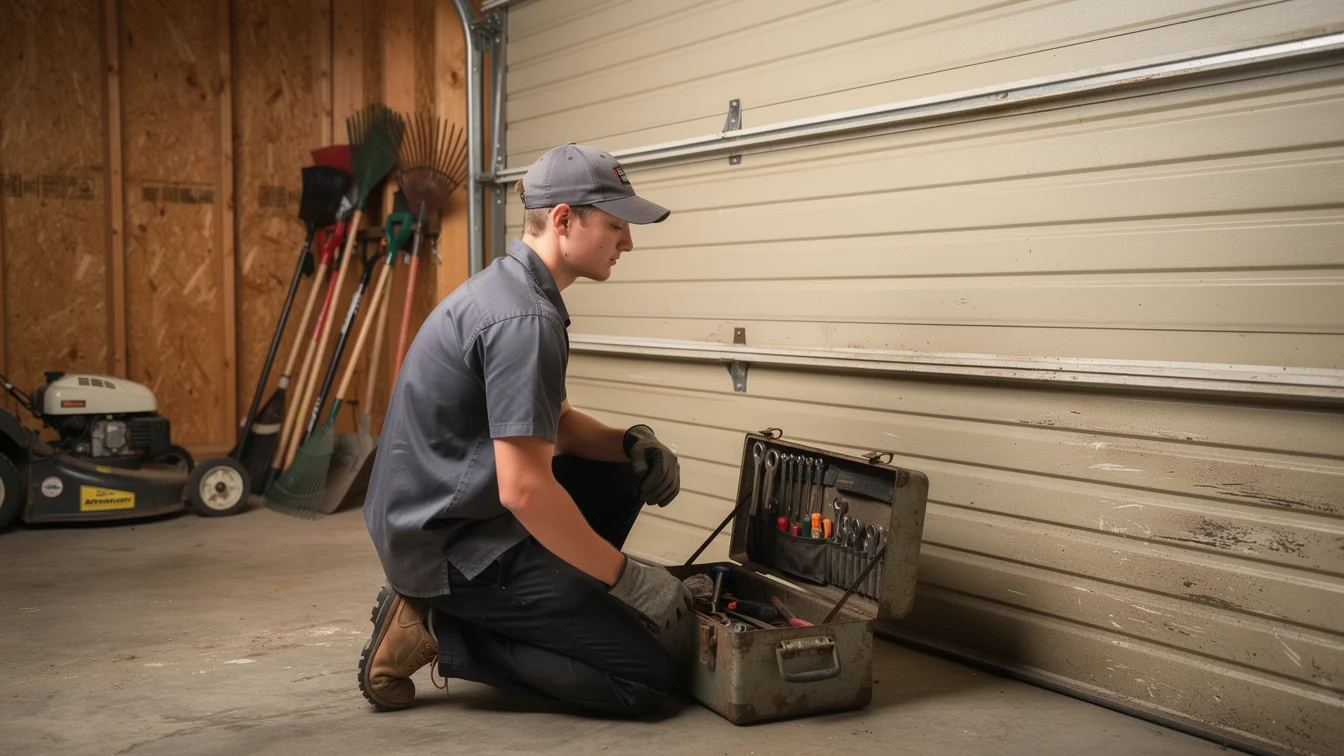
Why a Door Goes Off Track Here
Johns Creek homes built mostly 1951-2012 face track misalignment from cold-moderate freeze-thaw cycles.
Read guide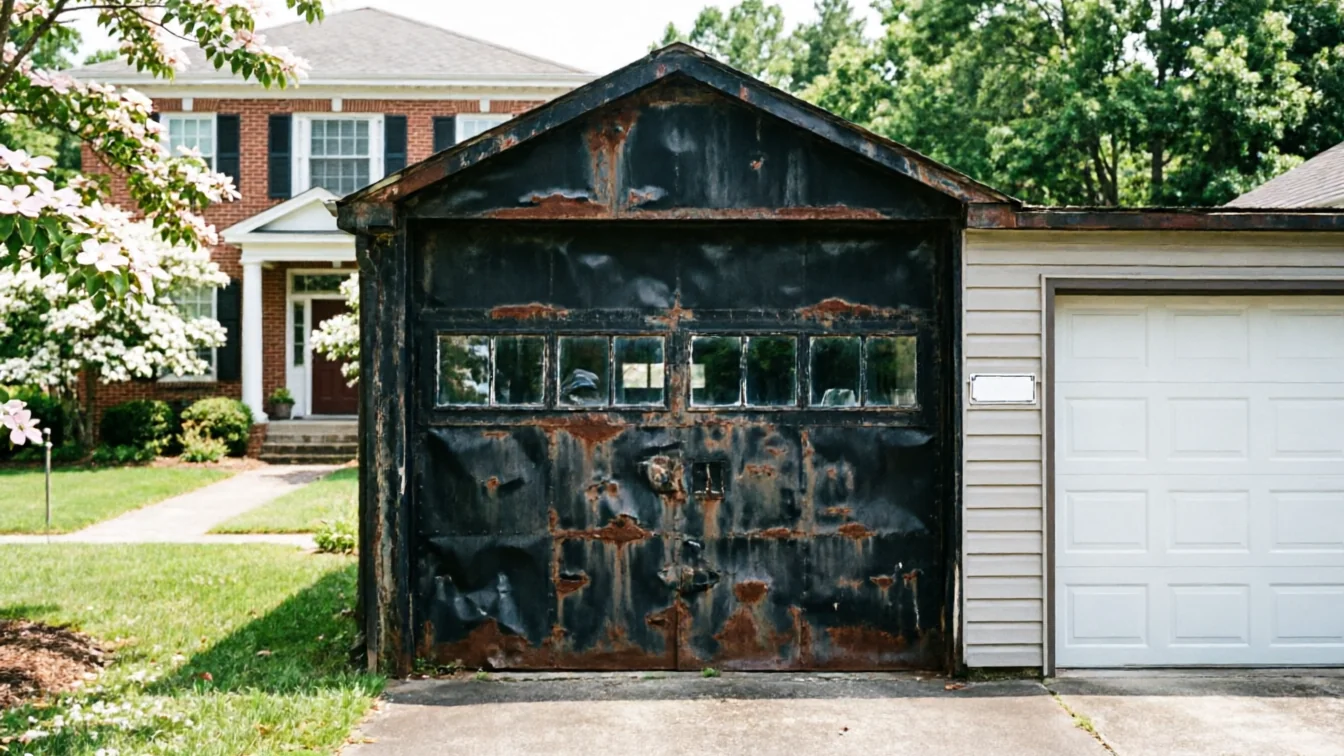
What Weather Seals and Draughts Really Mean in Johns Creek
Johns Creek homes built mostly in the 1980s and 90s see worn weather seals and draughts show up fast once cold fronts hit.
Read guide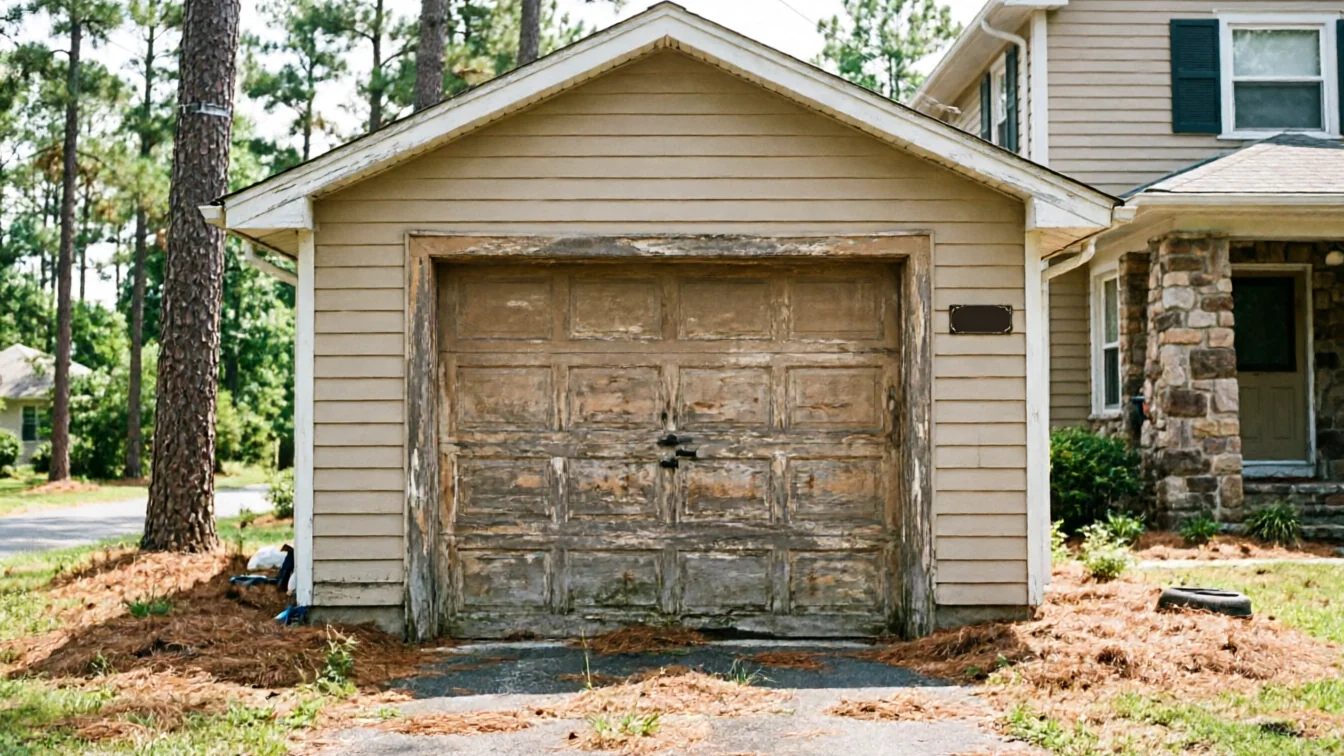
When a Spring Goes in Cold Weather Here
Why Johns Creek's 1980s-90s housing stock and cold snaps make torsion springs snap without warning, and what to check before you call for a repair.
Read guideReady when you are
Need a garage door sorted in Johns Creek?
Johns Creek Garage Door Pros repairs and installs garage doors, springs and openers in Johns Creek, GA and the surrounding area.