
Blog
What That Grinding, Popping, or Slamming Sound Is Telling You
Most houses in this part of Johns Creek went up between 1951 and 2012, median 1984, so the noise your door makes often traces to original, decades-old hardware.
What Most People Get Wrong
Most homeowners here reach for a can of WD-40 the second the door starts talking back, and that's the wrong move more often than not. Houses in this part of the service area went up mostly between 1951 and 2012, with the median build year sitting around 1984, and a lot of that 1980s and 90s stock across the 23 named areas we cover still runs original rollers, hinges, and drums. Spraying lubricant on a part that's actually worn past spec just buys you a few quieter days before the real noise comes back louder. The other mistake is assuming every sound is the same problem. A squeal on the way up isn't the same issue as a bang on the way down, and a door built in 1985 wears differently than one put up in 2008 with a different spring and track gauge. Guessing at a one-size fix on hardware that's been in the garage for three or four decades is how a $20 roller job turns into a cable snapping on someone's hand. The noise is data. Most people skip reading it and go straight to spraying or ignoring.
What the Weather Here Does to It
This area sits in a cold, moderate climate band, which means steel hardware goes through real contraction and expansion across a winter, not the mild, flat swing you'd get somewhere warmer. Track bolts that were snug in July can work loose by February as the metal shrinks, and that's a big part of why doors that were dead quiet in fall start popping and knocking once temperatures drop. Torsion springs wound decades ago, on houses from that 1984-median build era, lose a little tension every cold cycle, and a spring running slightly under tension makes a distinct shudder on the way down instead of a smooth stop. Openers with aging gears also tend to grind louder in the cold because the grease inside stiffens up before the motor warms it. None of this is dramatic weather - no named storm needed - it's just repeated freeze-and-thaw doing slow damage to hardware that's already thirty or forty years old on a lot of these houses. If your door got noisier the same week it got cold, that's not a coincidence.
What to Check
Start at the rollers. On the original 1980s and 90s hardware common in this part of Johns Creek, steel rollers without bearings are usually the first thing to start a rhythmic clack as the door travels, one bang per roller per revolution. Next, check the hinges between panels - a metal-on-metal squeak at the hinge pivots usually means the hinge itself is worn oval instead of round. Then look at the track bolts along the wall; give them a hand-check, because a loose bracket rattles every single cycle and it's a five-minute fix, not a new-door problem. The torsion spring deserves a look but not a touch - if you see a gap in the coil or hear a deep thud at the top of the lift, that's spring fatigue, and that's a call-a-pro job, not a DIY one. Last, listen to the opener itself apart from the door. If the motor sounds strained but the door track is quiet, the opener's drive gear is the suspect, not the hardware on the door. We don't recommend opening the spring housing yourself under any circumstance - that's the one repair where the wrong move causes real injury.
What Is Going On
With median household income in the service area at $91,308, a lot of homeowners here have a real choice between a repair and a full swap, and the noise is usually what tips that decision. A rhythmic roller clack on a 1980s-built door is almost always worth fixing - rollers are cheap and the rest of the door is sound. A deep structural groan from the panels themselves, especially on houses near that 1984 median build year, often means the door has flexed and warped enough that no amount of lubrication fixes it; that's a replacement conversation. Across the 44,786 owner-occupied houses in this area, the single most common call we get in the cold months is a torsion spring that's lost tension after years of seasonal contraction - it sounds like a hollow slam at the bottom of the travel. If your door is making a new noise it didn't make last year, it's not getting better on its own. Metal doesn't heal; it wears, and then it fails on its own schedule, usually the coldest week of the year.
Questions
Common questions
Why does my garage door get louder every winter?
This area sits in a cold, moderate climate band, and steel hardware contracts in the cold. Track bolts loosen, torsion springs lose a bit of tension each cycle, and opener grease stiffens - all of which shows up as new squeaks, pops, or bangs that weren't there in warmer months.
Is a clacking sound from the rollers serious?
Usually not urgent, but it's worth fixing. A lot of houses in this area still run original steel rollers from their 1980s or 90s build era, and a worn roller clacking once per revolution is a cheap, low-risk repair compared to letting it wear the track.
How do I know if it's the spring and not just the hardware?
A deep thud or shudder right at the top or bottom of the door's travel, rather than a steady clack through the whole cycle, points to spring fatigue. Don't inspect the spring housing yourself - that's the one part of the door with real injury risk, and it's a call for a pro.
Should I replace the door or just fix the noise?
It depends on what's making the sound. Roller, hinge, and bolt noise is almost always a repair. A groaning or warping sound from the panels on an older door, especially one near the area's 1984 median build year, is more often a sign the door itself is done.
Recommendation
You Might Also Like
More garage door guides for Johns Creek homeowners.
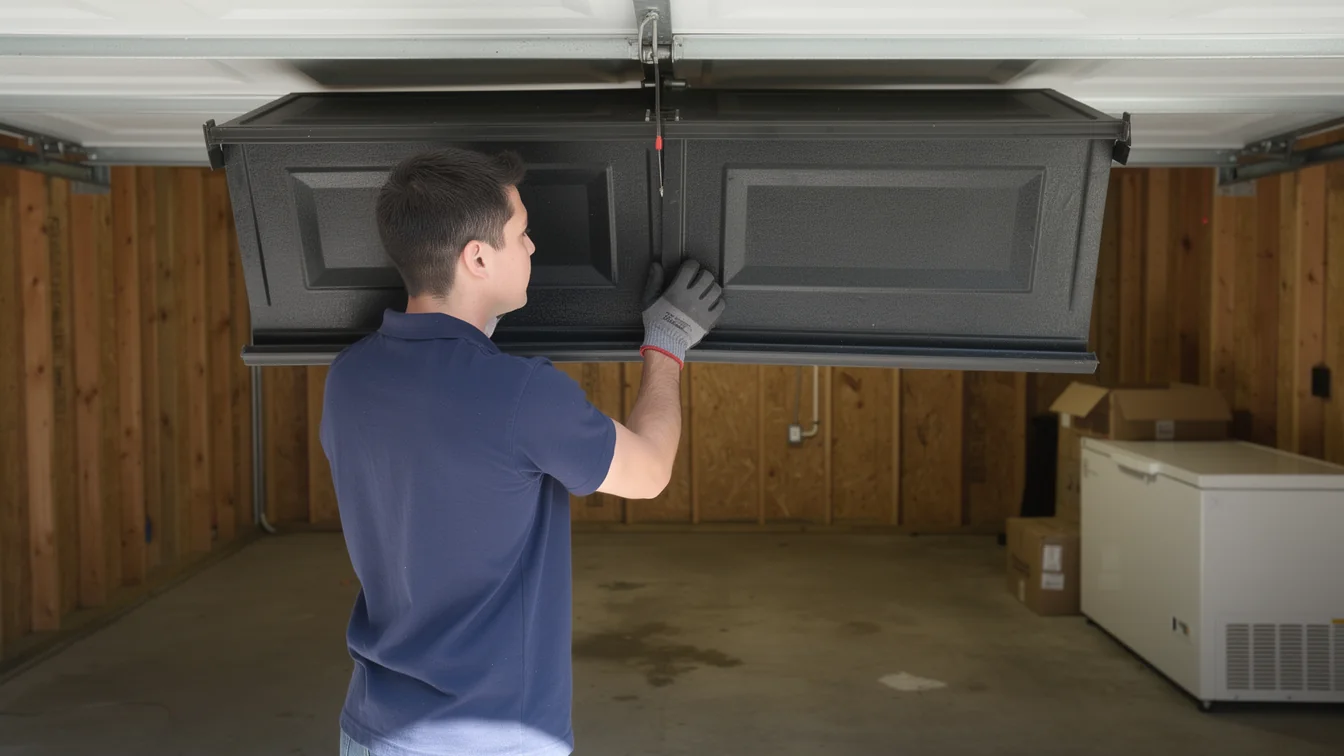
What a Johns Creek Service Call Actually Covers
Johns Creek homes mostly date 1951-2012 with a median build year of 1984.
Read guide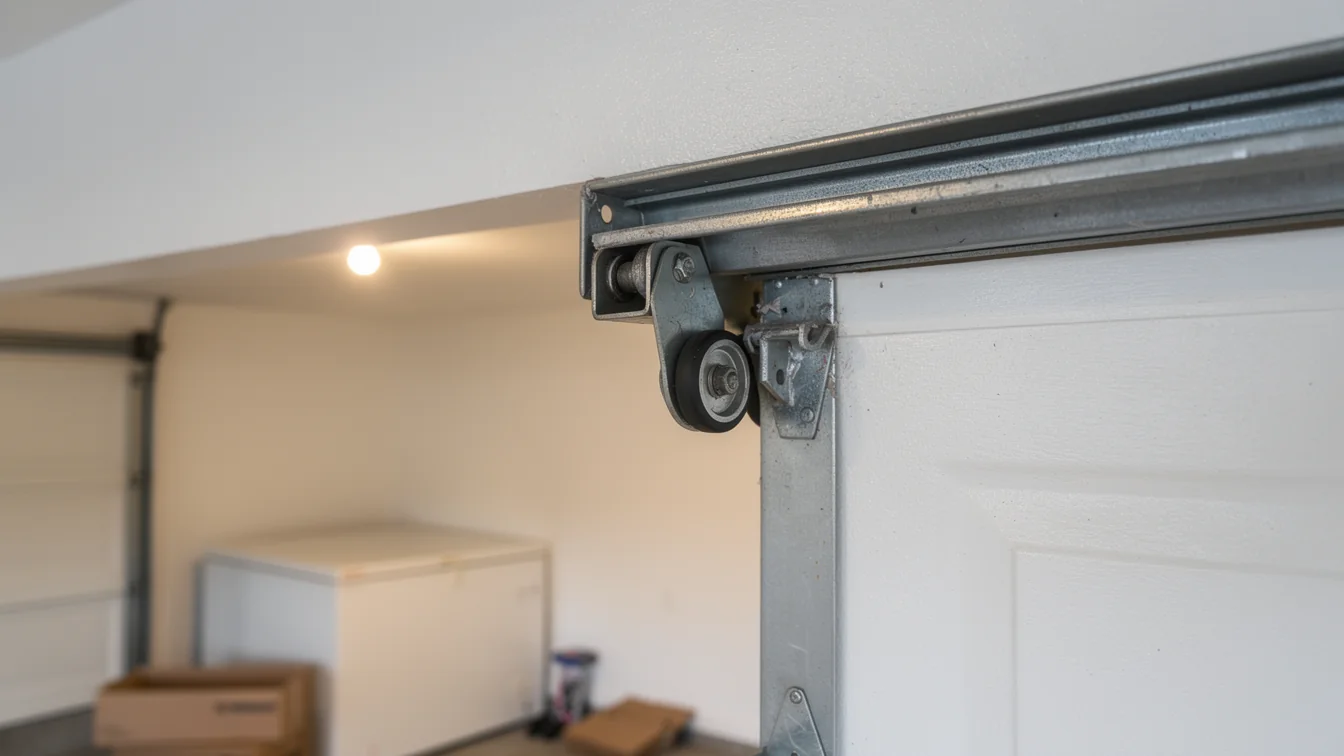
Why So Many Johns Creek Garages Still Have Uninsulated Doors
In Johns Creek, median home year is 1984 - before insulated garage doors were standard.
Read guide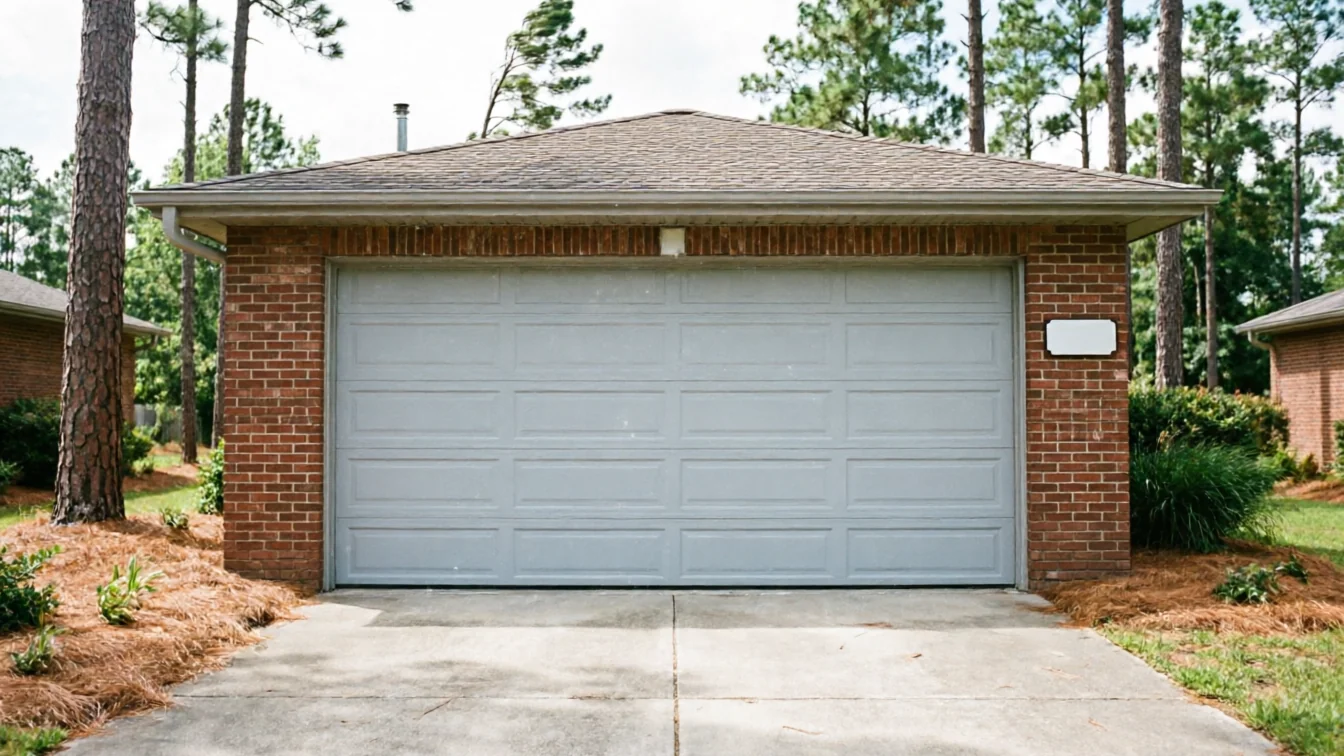
When the Power Cuts Out on a Johns Creek Garage Door
Johns Creek homes built mostly in the 1980s-90s have openers that react badly to cold snaps and outages.
Read guideReady when you are
Need a garage door sorted in Johns Creek?
Johns Creek Garage Door Pros repairs and installs garage doors, springs and openers in Johns Creek, GA and the surrounding area.