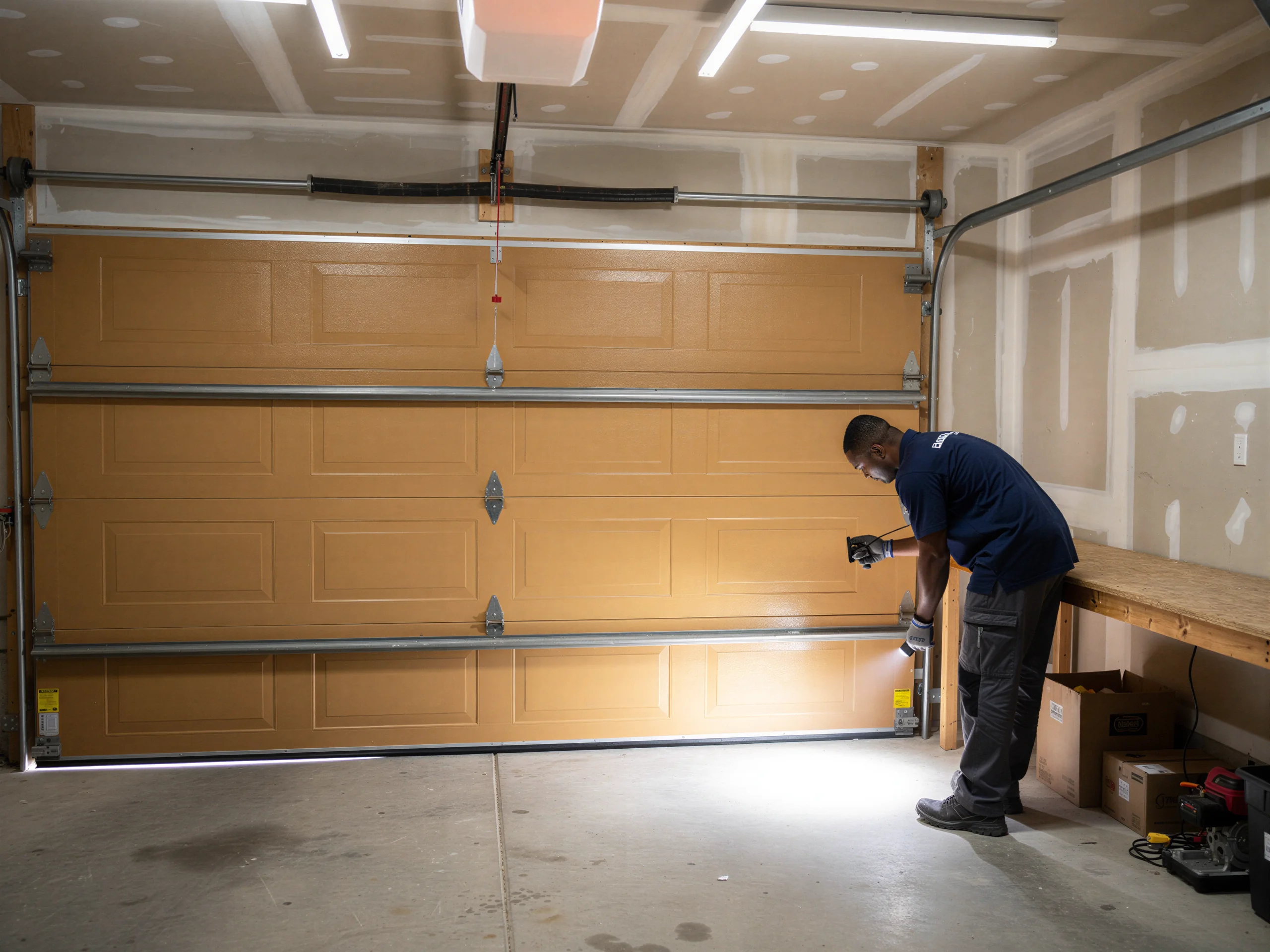
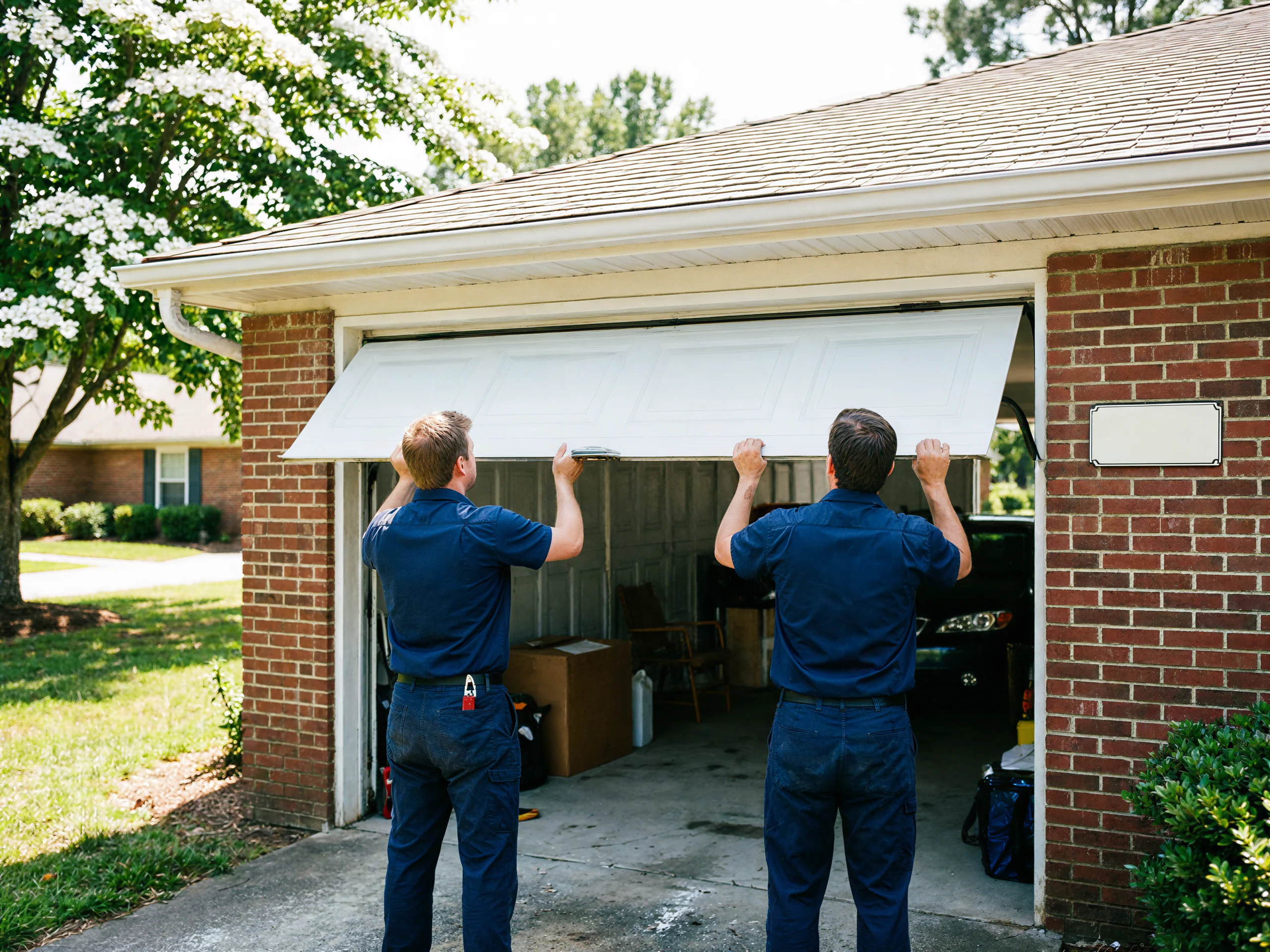
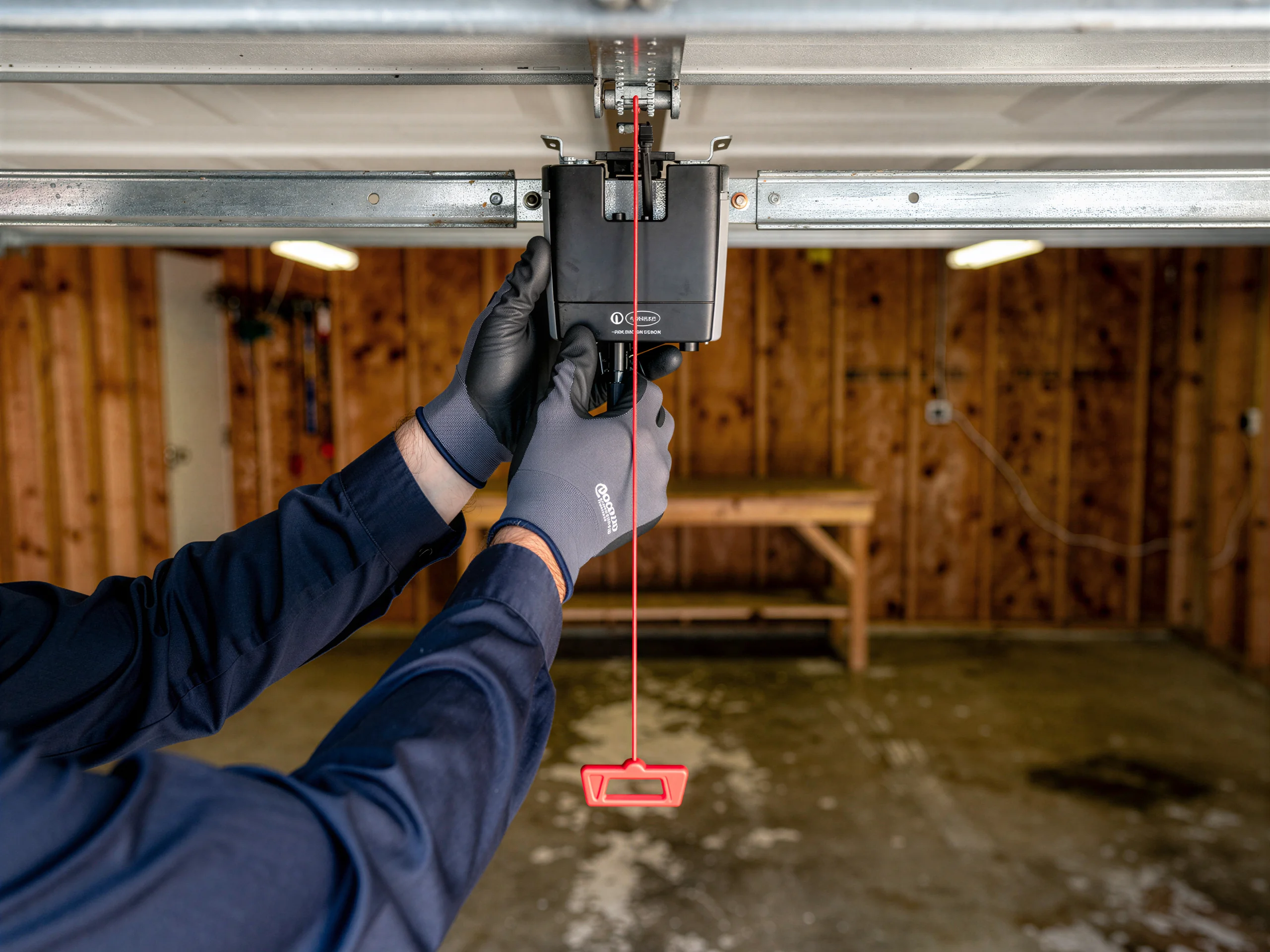
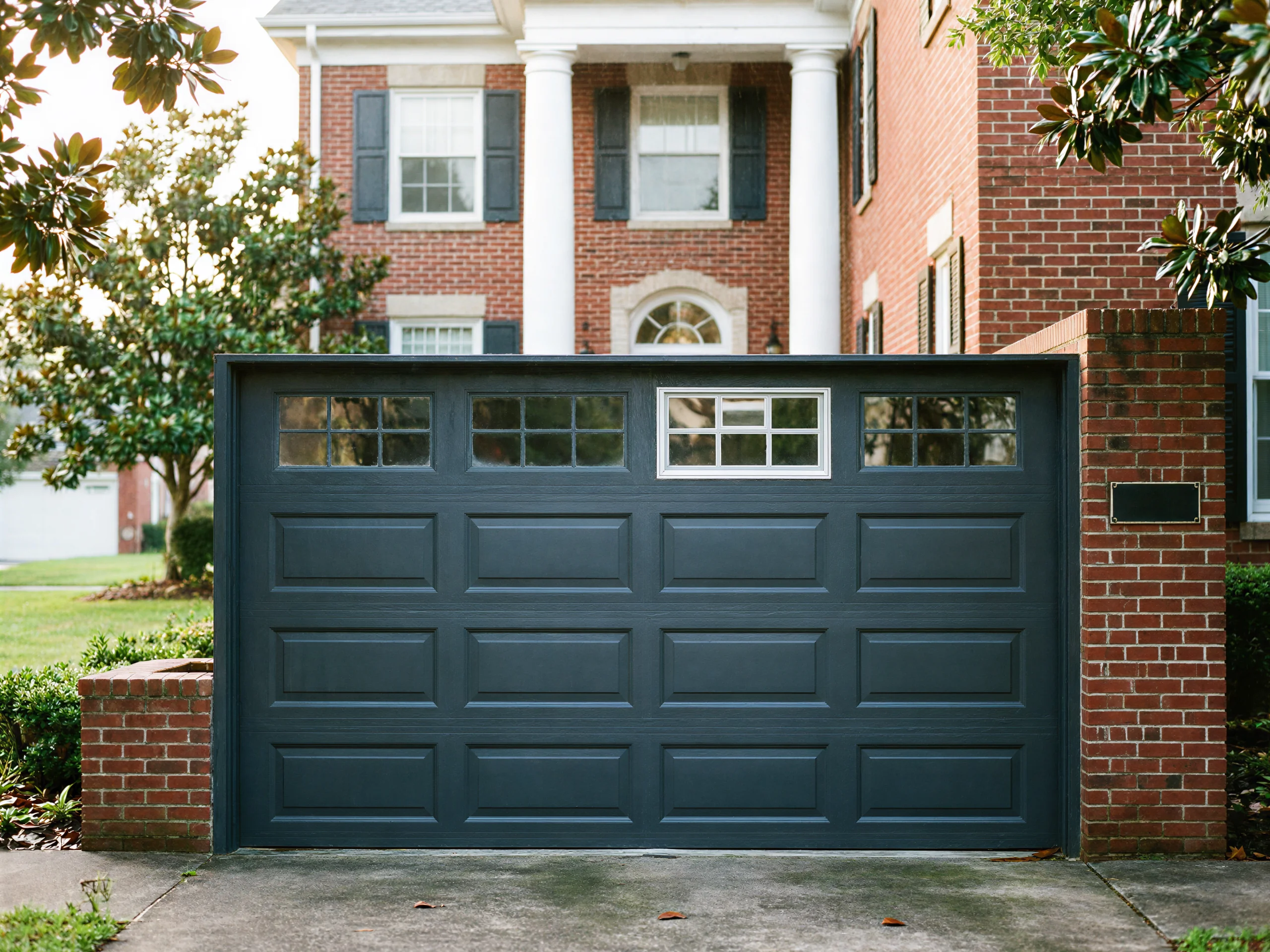
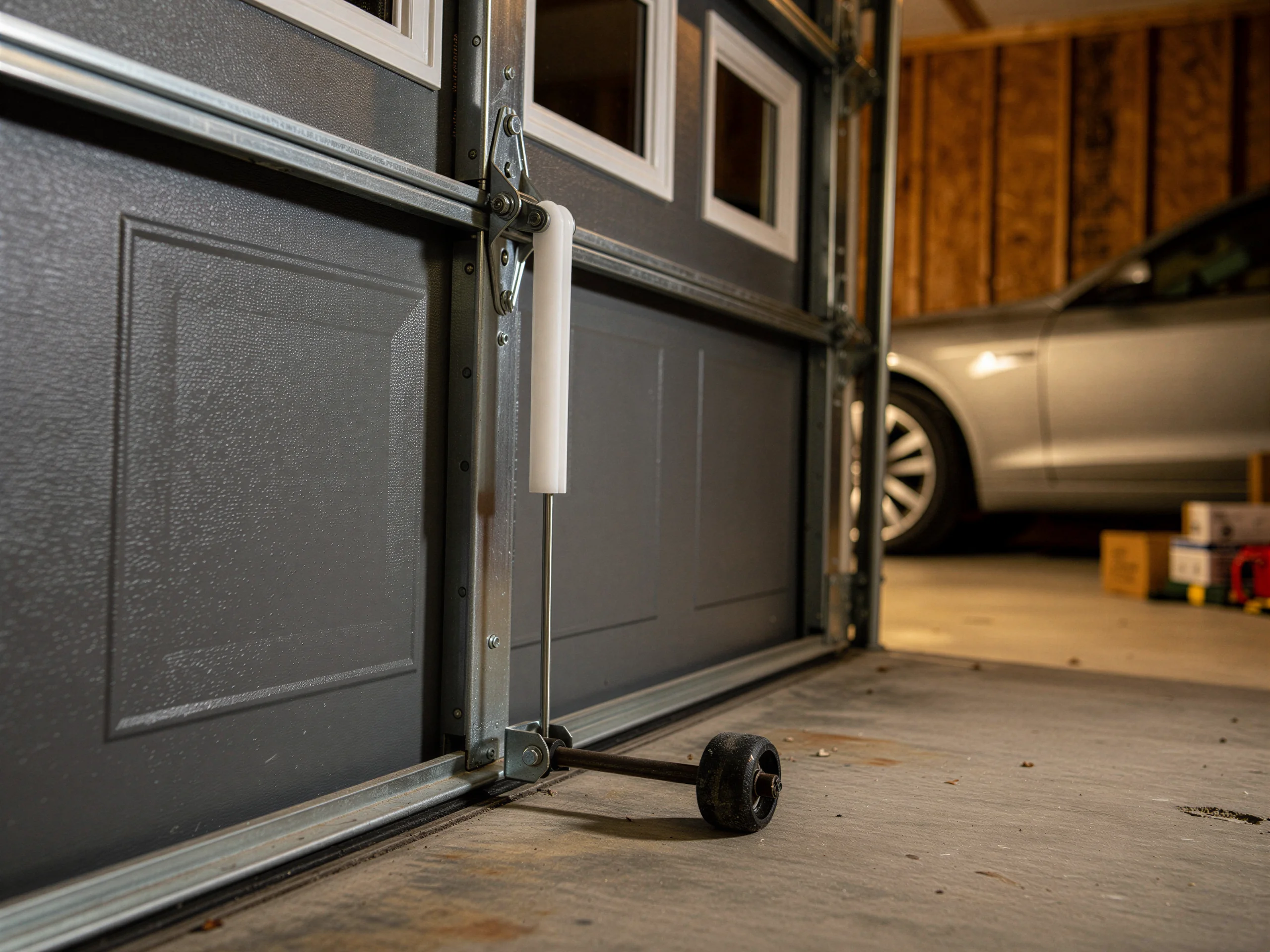
The climate band for this area sits cold-moderate, which means the garage goes through real freeze-thaw swings every winter without the deep sustained cold that would push a company toward different hardware altogether. For a steel door built in the late '70s, that swing is what wears the weakest point first. Steel panels contract in a cold snap and expand again a few days later, and on a door that's 40-plus years old, the seams between panels and the bottom seal are usually the first things to give. You'll see a bowed bottom panel or a gap at the floor before you see anything wrong with the opener.
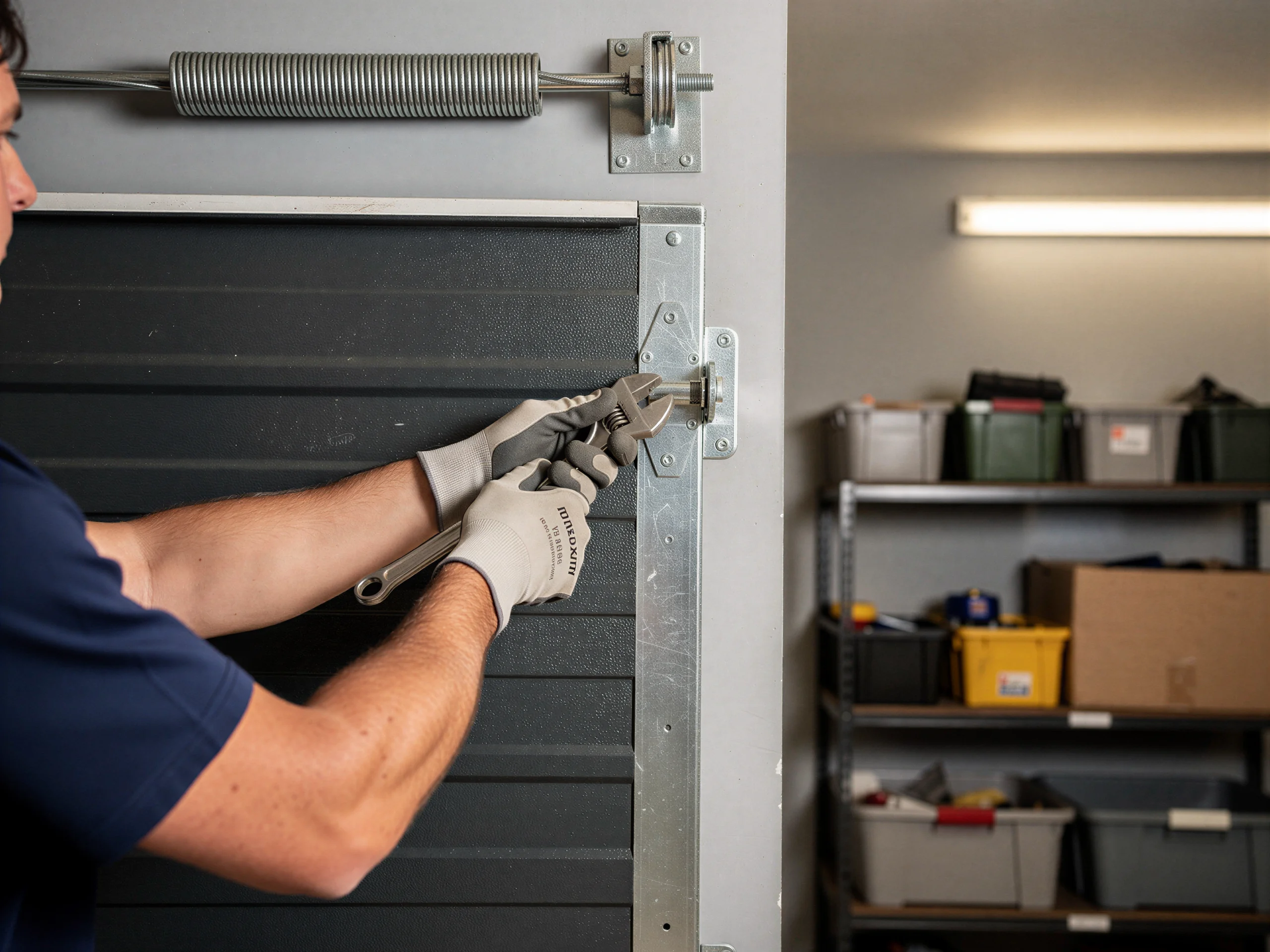
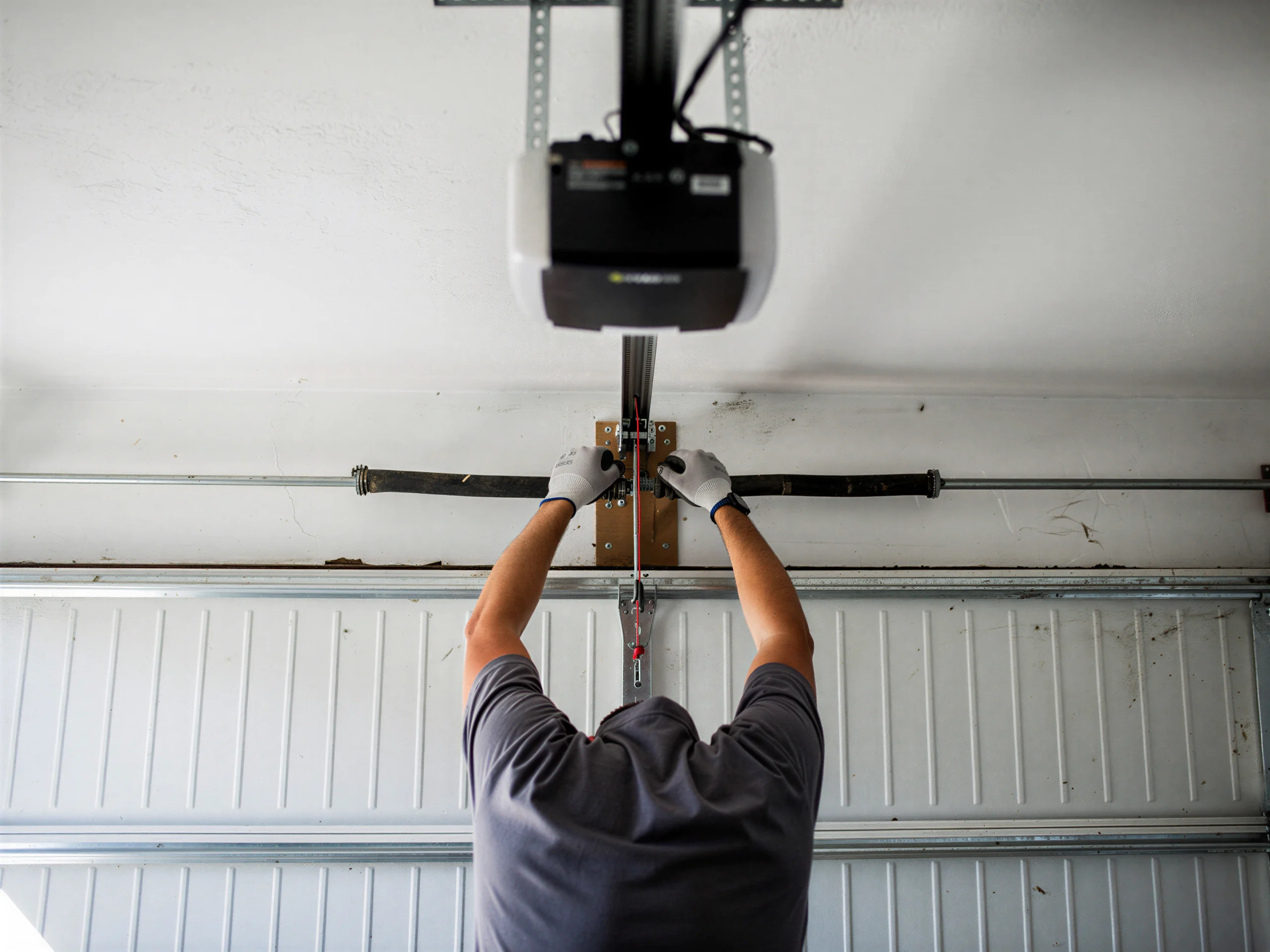
The other driver is simply that extension-spring systems have more moving parts exposed to the weather than a torsion setup. The pulleys, the safety cables (if they were ever added), the spring itself sitting right over the track - all of it rusts faster in an uninsulated garage that swings temperature twice a season. We're not guessing at a weather event here, just stating what cold-moderate cycling does to older steel and exposed springs over four decades.